Ask two people what a 2nd hand car should cost in Singapore and you’ll get two very different answers. That’s because the sticker price tells you almost nothing on its own. What you’re really buying is a mix of the car, the COE left in it, and the rebate value it’ll return one day.
Once you understand how those pieces fit together, used car prices stop looking random. This guide breaks down what you’re actually paying for, why two similar cars can be priced thousands apart, and how to tell a fair deal from a poor one. For the full ownership picture, see our complete guide to buying a used car in Singapore.
What you’re actually paying for
A 2nd hand car price in Singapore is built from a few parts:
- The car’s market value. What the make, model, age, mileage, and condition are worth to buyers right now.
- The COE left in it. Every car runs on a 10-year COE. The more years remaining, the more you pay, because you’re buying more road life.
- The expected rebate. If the car is under 10 years old, it’ll return a PARF rebate when it’s eventually scrapped or exported. That future money back is baked into today’s price.
This is why a three-year-old car and an eight-year-old version of the same model can sit thousands of dollars apart. You’re not just buying an older car, you’re buying fewer years and, often, less rebate value.
Why COE drives the price
COE is the single biggest reason cars cost what they do here, used or new. When COE prices in the open bidding rise, used car values tend to follow, because a used car with years of COE left saves the buyer from paying today’s high COE on a new one.
It cuts both ways. A used car with only two or three years of COE remaining looks cheap, but you’re buying a short runway. When that COE runs out, you either pay to renew it or scrap the car. Factor that decision into the price before you call something a bargain.
How to read depreciation
If you remember one number when comparing 2nd hand cars, make it depreciation per year. It’s the closest thing to a true cost of ownership.
The rough formula is:
Depreciation per year is roughly the price you pay, minus the expected rebate, divided by the years of COE left.
A car that costs more up front but holds more rebate value can actually be cheaper to own per year than a cheaper car with little left in it. Every car in our used car listings shows the details you need, and our team will work out the depreciation with you so you’re comparing cars properly.
What makes a used car hold its value
Some cars depreciate gently, others fall off a cliff. If resale matters to you, these factors help:
- Brand and model reputation. Reliable, in-demand Japanese models tend to hold value well in Singapore.
- Mileage. Lower, well-documented mileage supports a stronger resale price.
- Service history. A complete record reassures the next buyer and protects your resale value.
- Condition and accident history. A clean, unrepaired car commands more than one with a known accident past.
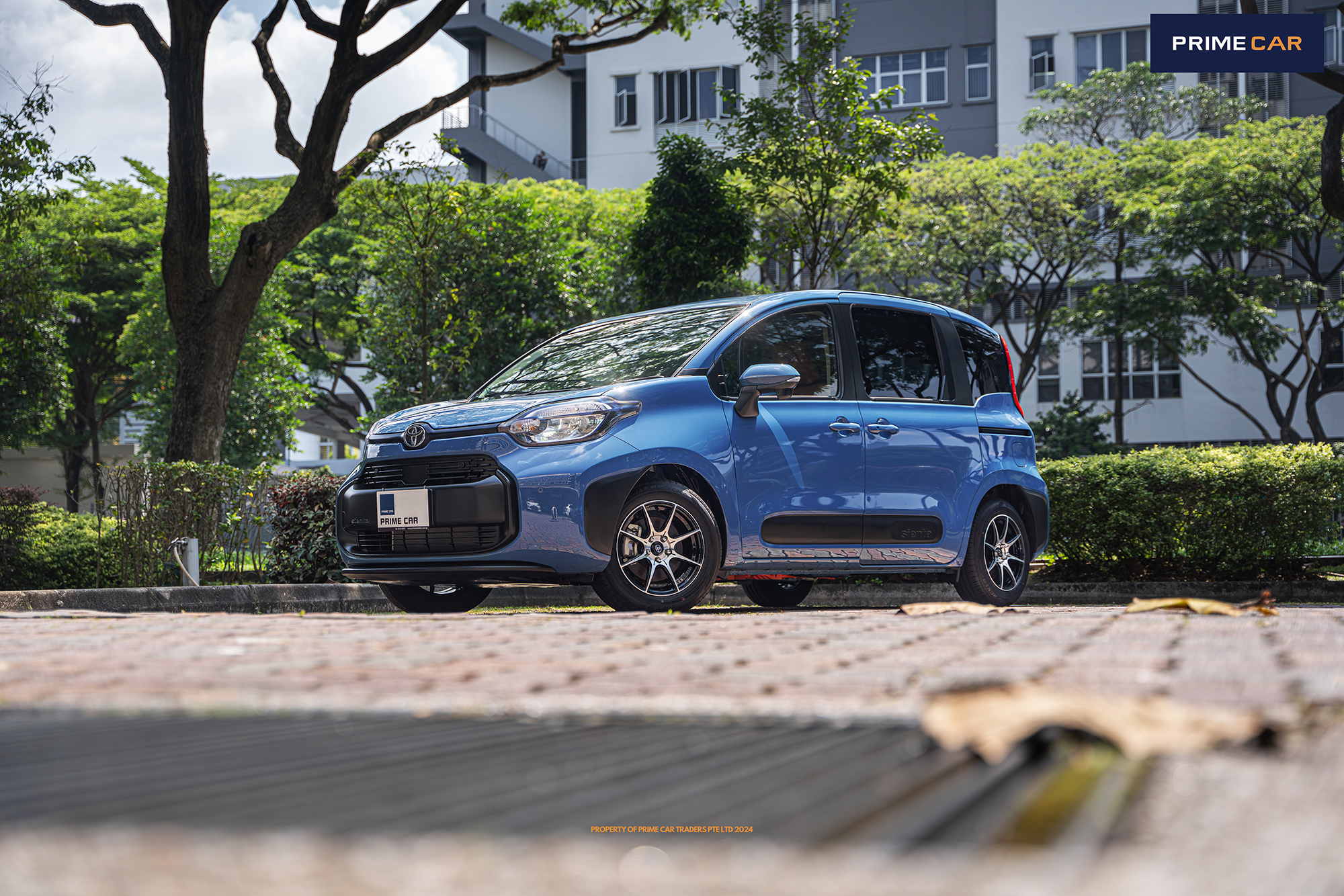
- Popular body types. Family MPVs and seven-seaters stay in demand, which supports their resale. The Toyota Sienta and Toyota Noah are good examples.
Practical tips for getting a fair price
- Compare on depreciation, not sticker price. Line up two or three similar cars and work out the annual cost of each. The cheapest sticker often isn’t the cheapest car.
- Account for the COE decision. If a car is near the end of its COE, price in the cost of renewing or replacing it.
- Inspect before you commit. A professional evaluation can surface issues that give you honest grounds to negotiate, or save you from a bad buy entirely.
- Look at the total cost, not the monthly. A longer loan tenure lowers the monthly payment but raises what you pay overall. Our financing team will show you the full interest cost, not just the headline figure.
A quick worked example
Say two versions of the same MPV are both listed at $60,000. One has 7 years of COE left and an expected rebate of around $20,000. The other has 3 years left and almost no rebate value remaining.
On paper they cost the same. In practice, the first spreads its real cost over more years and returns more value later, so its depreciation per year is far lower. Same price tag, very different deal. That’s the gap reading depreciation closes for you.
Find a fairly priced 2nd hand car
At Prime Car Traders, listings show the details that matter so you can compare properly, and our team can walk you through the depreciation on any car you’re considering. We’ve been pricing and selling cars in Singapore for over 40 years, and we’d rather you understood the deal than rushed it.
Browse our used car listings or get in touch and tell us your budget. We’ll point you to cars that make sense on a cost-per-year basis, not just a cheap headline price.
Frequently Asked Questions
How are 2nd hand car prices calculated in Singapore?
A used car’s price reflects its market value, the years of COE left in it, and the PARF rebate it’ll return when deregistered. That’s why two similar cars can be priced thousands apart depending on how much COE and rebate value remain.
Does COE affect used car prices?
Yes, heavily. A used car with more COE years left costs more because it saves the buyer from paying today’s COE on a new car. When COE prices rise in the open bidding, used car values usually rise too.
What is depreciation when buying a used car?
Depreciation is the cost of owning the car per year: roughly the price you pay minus the expected rebate, divided by the years of COE left. It’s the most reliable way to compare two used cars. We’ll calculate it with you on any car in our listings.
How do I know if a used car is fairly priced?
Compare it on depreciation per year rather than the sticker price, and add in the cost of renewing or replacing the COE if the car is near the end of its 10 years. Our team is happy to run those numbers with you before you decide.